Sunday, July 12, 2015

Why avoid styrofoam? Styrofoam contains the chemical styrene, which has been linked to cancer, vision and hearing loss, impaired memory and concentration, and nervous system effects…the list goes on. What happens when you eat hot foods or drink liquids from styrofoam plates and cups is the styrene leaches out of the Styrofoam and into our bodies.

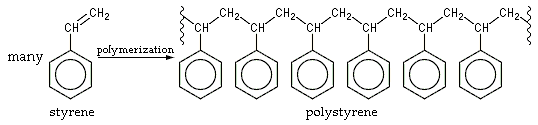
  • Styrene: A petroleum byproduct that can be found in plastics, resins, and Styrofoam. It is a toxic chemical that is used to create polystyrene. CD Cases, food service products, and luggage; you name it, this chemical might be there.
  • Polystyrene: Created from Styrene, polystyrene is a lightweight, insulating material that can be in both liquid and solid form.
  • Styrofoam: This is actually “extruded polystyrene foam,” (EPS) but we just call it Styrofoam. It is made from polystyrene and is used for many things like surfboards, life rafts, bean bags, and of course as disposable plates and cups.
Styrofoam pollution
Environmental impacts
In 1986 the EPA released a report that listed the polystyrene manufacturing process  as the fifth largest creator of hazardous waste. Fifty-seven chemical byproducts are released during the manufacturing process of polystyrene, polluting the air, land, water and communities that live near the facilities.
As if the public health impact of polystyrene isn’t enough, its environmental effects are well documented.  It takes 500 years to decompose, and it takes up 25-30% of our world’s landfills. In addition our lakes, waterways and oceans are suffering thanks to Styrofoam waste. There are 57 chemical by-productsreleased during the manufacturing of Styrene, polluting our air and waterways. Styrofoam is no longer manufactured with CFC (notorious ozone-depleting chemical), but still uses HFCs (hydrofluorocarbons) that are still linked to depleting the ozone layer and affecting global warming.

We stiil need aggressive research on this polystyrene and food container issues. Its become global.

Environmental issues

Because foam takeout containers are entirely made out of polystyrene foam, these containers have an impact on the environment as they do not biodegradeeasily. However, Methanogenic consortia degrade styrene, using it as a carbon source. Pseudomonas putida can also convert styrene oil into variousbiodegradable polyhydroxyalkanoates.  Some cities have gone as far as banning the use of foam take-out containers, notably San Francisco, Seattle and Portland, Oregon. In 2013, the mayor of New York City proposed banning foam food containers, for both health and environmental reasons.

Health issues

It is debated whether styrene may migrate into food which is stored in foam food containers for even a small amount of time. Some researchers argue that polystyrene containers do pose a health risk,[9][unreliable source?] while industry defenders argue that trace amounts of styrene are already naturally present in food. Styrene foam containers can melt if the food or liquid is of a sufficient temperature. Some containers have been tested and labelled for safe use in microwave ovens; although the absence of such labeling does not mean a container is unsafe for this use, caution should still be taken.

Banning polystyrene is not going to happen overnight, of course, because there are a lot of these containers, made of a plastic resin known as expanded polystyrene, floating around. Tons of polystyrene is using every day.


Few states in Malaysia will follow soon BUT can we educate public, business communities and enforce the laws and regulations? We need to have good strategies.

Conflict in using polystyrene as food containers: toxic chemicals and environmental problems.

Based on scientific tests over five decades, government safety agencies have determined that polystyrene is safe for use in foodservice products. For example, polystyrene meets the standards of the U.S. Food and Drug Administration and the European Commission/European Food Safety Authority for use in packaging to store and serve food. The Hong Kong Food and Environmental Hygiene Department recently reviewed the safety of serving various foods in polystyrene food service products and reached the same conclusion as the U.S. FDA.
The Harvard study reported that styrene is naturally present in foods such as strawberries, beef, and spices, and is naturally produced in the processing of foods such as wine and cheese. The study also reviewed all the published data on the quantity of styrene contributing to the diet due to migration of food packaging and disposable food contact articles, and concluded there is no cause for concern for the general public from exposure to styrene from foods or styrenic materials used in food-contact applications, such as polystyrene packaging and food service containers.
Polystyrene is commonly used in containers for food and drinks. The styrene monomer (from which polystyrene is made) is a cancer suspect agent. Styrene is "generally found in such low levels in consumer products that risks are low".  Polystyrene which is used for food contact may not contain more than 1% (0.5% for fatty foods) of styrene by weight.  Styrene oligomers in polystyrene containers used for food packaging have been found to migrate into the food. Another Japanese study conducted on wild-type and AhR-null mice found that the styrene trimer, which the authors detected in cooked polystyrene container-packed instant foods, may increase thyroid hormone levels.

No Plastic Campaign was carried out long time ago BUT how far the public attitude was changed? Not that easy to change habit and against the rapid changing of life style introduced by the business people.

Why we worry after the controllable events. All all laws and regulations are guiding us to protect us from man made disaster. Why we do not follow those rules and regulation set by us. If we cannot think please refer to the experts or appoint the advisor.

Bauxite, an aluminium ore, is the world's main source of aluminium. It consists mostly of the minerals gibbsite Al(OH)3, boehmite γ-AlO(OH) and diaspore α-AlO(OH), mixed with the two iron oxides goethite and haematite, the clay mineral kaolinite and small amounts of anatase TiO2.China imported 14 times more bauxite from Malaysia in November than in March after an export ban in Indonesia stopped supplies of the ore to the world’s biggest consumer of industrial metals. China bought a total of 2.57 million tons of bauxite last month. Malaysia produced 208,770 tons of bauxite last year, compared with 2,040 tons in 2004, according to data from the Minerals and Geoscience Department in Kuala Lumpur.